
In This Article
Rheumatoid Arthritis Is An Autoimmune Disorder
Rheumatoid arthritis is a chronic autoimmune disease that primarily affects the joints — but it doesn’t stop there. You’ve probably heard someone say this before: “Oh, my grandma has arthritis too!” And honestly? They’re probably right.
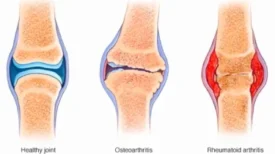
A lot of people have arthritis. But chances are, your grandma has osteoarthritis, not rheumatoid arthritis. Here’s the key difference:
- Osteoarthritis is the most common form of arthritis
- Rheumatoid arthritis (RA) is one of the most disabling
There are over 100 different types of arthritis and lumping them all together can make RA feel misunderstood — or minimized. Let’s break it down in a way that actually makes sense.
Rheumatoid Arthritis Is an Autoimmune Disorder
Your immune system is like the military for your body. Its job is to protect you from invaders like bacteria and viruses. But with autoimmune diseases like RA, the immune system gets confused. Instead of attacking enemies, it starts attacking healthy tissue — specifically, the joints. Think of it like this: It’s as if we’re sending troops into areas we used to be at war with… but are now allies — only we don’t realize we’re allies. So, the attack continues.
Rheumatoid Arthritis Is Chronic
“Chronic” means long-term. RA doesn’t just show up for a few weeks and disappear. It can last for years — sometimes a lifetime. Yes, RA can go into remission. And yes, symptoms can improve dramatically. But any damage that’s already been done to the joints does not reverse. That’s why early understanding and management matter so much.
Rheumatoid Arthritis Affects the Joints
RA targets the joints — the places where bones meet and allow movement. It can affect any joint in the body, but it most commonly shows up in:
- Hands
- Wrists
- Feet
One unique feature of RA is symmetry. That means joints on both sides of the body are often affected — like both knees or both shoulders. When I was first diagnosed, though, only the joints on my right side were affected. RA doesn’t always follow the rulebook.
Inflammation Is the Main Culprit
When the immune system attacks the joints, it causes inflammation. Think of inflammation as extra troops being sent into the war zone — even when there’s no enemy to fight. That inflammation leads to:
- Pain
- Swelling
- Stiffness
- Warmth in the joints
This “attack” is what makes RA so physically and emotionally exhausting.
Rheumatoid Arthritis Is Progressive
If RA isn’t properly managed, it tends to worsen over time. That can lead to:
- Joint damage
- Deformities
- Loss of function
It’s like a war where we never send in the right strategy — if nothing changes, we never actually win.
Why Do I Still Have Symptoms If I’m on Medication?
This is such a common — and valid — question. Here’s the thing: Even when the war is technically “over,” the troops don’t all leave immediately. The body has to make sure the danger is gone before it starts pulling back. So even with medication:
- Inflammation may linger
- Pain and stiffness can continue
- Healing can take time
Your body isn’t being dramatic — it’s being cautious.
There’s More Than One Way to Support Rheumatoid Arthritis
You can treat it with things other than just prescription medications though. You can attempt to reboot your immune system (sign a treaty and form an alliance with the war area – your immune system). It takes work, but it is worth it! Check out the program I followed to get my RA back in control and see which program is right for you and your family: Jumpstart or Restart
Want to join my Facebook community where we learn how to better ourselves and have fun? Facebook Group